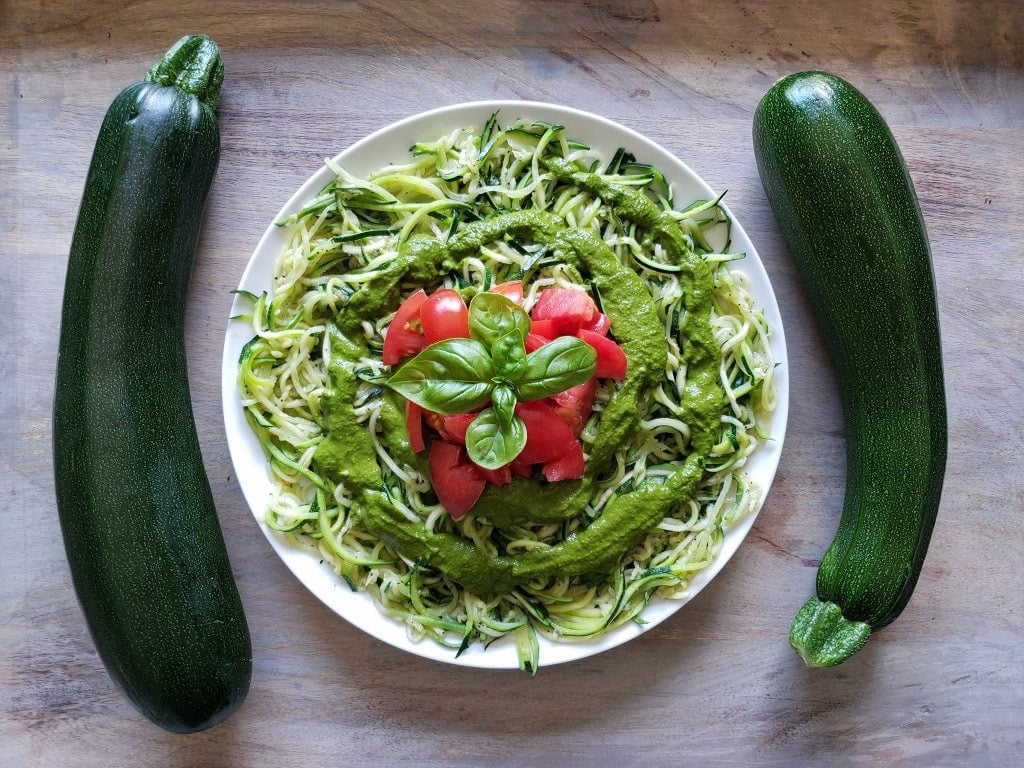
Make Perfect Zoodles: Your Ultimate Guide to Spiralizing & No-Sogginess Cooking
Tired of heavy pasta but still craving that satisfying noodle experience? Enter zoodles – vibrant, versatile, and wonderfully healthy zucchini noodles that have revolutionized low-carb and gluten-free eating. But the journey to perfect zoodles often hits a snag: dreaded sogginess. Fear not! This comprehensive guide will equip you with the skills to make impeccable zoodles, whether you’re a spiralizer pro or working with simpler tools, and teach you the secrets to cooking them to tender-crisp perfection. We'll even explore the ultimate pairing: tender zoodles with a rich, aromatic homemade pistachio pesto.
The Magic of Zoodles: Why Swap Your Pasta?
Zoodles, also known as zucchini noodles or courgetti, are long, thin strips of zucchini crafted to mimic traditional pasta. Beyond their delightful appearance, they offer a treasure trove of benefits that make them a popular alternative:
*
Healthier & Lighter: A cup of zoodles contains roughly 20 calories, a mere fraction of pasta's calorie count, making them an excellent choice for weight management.
*
Gluten-Free: Naturally free from gluten, zoodles are a fantastic option for those with celiac disease or gluten sensitivity.
*
Keto & Low-Carb Friendly: With significantly fewer carbohydrates than wheat pasta, zoodles are a staple in ketogenic and low-carb diets.
*
Rich in Nutrients: Zucchini provides vitamins C and K, potassium, and antioxidants.
*
Incredibly Versatile: Thanks to their mild flavor, zoodles act as a blank canvas, eagerly absorbing the flavors of any sauce or seasoning you pair them with. From a simple garlic and olive oil sauté to robust marinara or creamy Alfredo, the possibilities are endless.
This versatility makes them ideal not just for main courses, but also added to soups, salads, or even as a base for stir-fries.
Crafting Perfect Zoodles: Spiralizer & Beyond
Achieving those beautiful, uniform zucchini noodles starts with how you make them. While a dedicated spiralizer is the gold standard for speed and consistency, several other kitchen tools can get the job done beautifully.
The Spiralizer: Your Best Bet for Noodle Perfection
If you frequently enjoy zoodles, investing in a spiralizer is highly recommended. It creates the most consistent, long, and elegant strands, truly resembling pasta.
*
How to Use It:
1. **Preparation:** Choose firm, medium-to-large zucchini; smaller ones can be tricky to spiralize. Wash and trim both ends flat.
2. **Setup:** Secure your spiralizer to a clean, flat surface using its suction cup feet. Select your desired blade (typically a spaghetti-like blade for classic zoodles).
3. **Spiralizing:** Impale one end of the zucchini onto the circular coring blade and gently press the other end into the flat blade or prongs. Begin to crank the handle. Within seconds, beautiful zoodles will emerge!
4. **Customizing Length:** If your zoodles are excessively long, use kitchen shears or a knife to snip them into more manageable lengths directly from the spiralizer.
*
Pro Tips for Spiralizing:
*
Zucchini Choice: Opt for straight, firm zucchini. Overly ripe or bendy zucchini will yield less uniform results.
*
Centering is Key: Ensure the zucchini is perfectly centered on both the coring blade and the prongs for even noodles.
*
Cleanliness: While some spiralizers can be a bit fiddly to clean, rinsing immediately after use prevents zucchini bits from drying and sticking.
No Spiralizer? No Problem! Alternative Methods
Don't have a spiralizer or want to save counter space? These common kitchen tools can still create fantastic zucchini noodles:
*
Julienne Peeler: This specialized peeler has serrated blades that create thin, matchstick-like strips. Simply run it down the length of the zucchini. While the noodles won't be as long or curly as spiralized ones, they are excellent for stir-fries or as a salad topping.
*
Mandoline Slicer: If your mandoline comes with a julienne blade attachment, it can produce thicker, flatter noodles than a julienne peeler, or even wider "ribbon" (pappardelle-style) noodles. Exercise extreme caution and always use the safety guard to protect your fingers.
*
Vegetable Peeler: For wide, fettuccine or pappardelle-style ribbons, a regular vegetable peeler works wonders. Peel long, thin strips from the zucchini, rotating it as you go to avoid the seedy core.
Regardless of your method, aim for consistency in thickness for even cooking.
Mastering No-Sogginess Cooking: Tips for Tender Zoodles
The Achilles' heel of many zoodle dishes is a watery, mushy texture. Zucchini has a high water content, and without proper technique, this water will release during cooking, making your dish soupy. The key is controlled moisture removal and quick cooking.
The Golden Rule: Sweat Your Zoodles (Optional but Recommended)
This step is a game-changer for avoiding soggy zoodles, especially if you plan to cook them beyond a quick sauté or serve them warm.
1. **Salt & Rest:** Place your freshly made zoodles in a colander. Sprinkle them generously with about 1 teaspoon of fine sea salt per medium zucchini. Toss to coat evenly.
2. **Drain:** Let the zoodles sit for 15-30 minutes. You'll notice water beginning to pool in the bowl beneath the colander – this is the excess moisture being drawn out by the salt.
3. **Pat Dry:** Squeeze handfuls of zoodles gently to remove even more liquid, then pat them thoroughly dry with paper towels or a clean kitchen towel. This step is crucial!
Top Cooking Methods for Tender-Crisp Zoodles:
Once prepped, zoodles cook very quickly. Overcooking is the primary cause of sogginess.
*
1. Sautéing (The Go-To Method):
* Heat 1-2 tablespoons of olive oil or butter in a large skillet over medium-high heat.
* Add your (preferably pre-sweated and dried) zoodles in a single layer. Do not overcrowd the pan; cook in batches if necessary.
* Sauté for 2-4 minutes, tossing occasionally, until just tender-crisp. They should still have a slight bite.
* Season with salt, pepper, garlic, or other desired spices *after* cooking.
*
2. Stir-Frying:
* Similar to sautéing, but often at higher heat with less oil, ideal for Asian-inspired dishes.
* Add zoodles to a hot wok or skillet with other vegetables and proteins.
* Cook for 1-3 minutes, tossing constantly, until just barely tender.
*
3. Steaming:
* Place zoodles in a steamer basket over simmering water.
* Steam for 1-2 minutes until they soften slightly but retain their vibrant green color and some crunch.
*
4. Blanching:
* Bring a pot of salted water to a rolling boil.
* Add zoodles and cook for just 30-60 seconds.
* Immediately transfer to an ice bath to stop the cooking process and preserve their texture and color. This method is great for preparing them ahead of time for salads.
*
5. Raw (No-Cook):
* Sometimes, the best way to avoid sogginess is no cooking at all!
* Raw zoodles are fantastic in salads, cold pasta dishes, or simply tossed with a vibrant dressing or pesto. Their natural crunch adds a wonderful textural element.
General No-Sogginess Cooking Tips:
*
High Heat, Short Time: This promotes quick evaporation of surface moisture and ensures the zoodles cook through without becoming mushy.
*
Don't Overcrowd the Pan: Give the zoodles room to breathe and cook evenly. Overcrowding lowers the pan temperature, steaming the zoodles instead of searing them.
*
Add Sauce at the Last Minute: If serving with a warm sauce, heat the sauce separately and then toss it with the cooked zoodles just before serving. This prevents the zoodles from sitting in liquid and absorbing too much moisture.
*
Taste as You Go: Zoodles cook quickly, so frequent tasting is your best guide to achieving that perfect al dente texture.
For more in-depth techniques on handling and cooking zoodles for various dishes, you might find our
Ultimate Guide to Making & Cooking Zoodles: Pesto & Low-Carb Tips particularly helpful.
Elevating Zoodles with Homemade Pistachio Pesto
While zoodles are delicious with virtually any sauce, few pairings offer such a delightful culinary experience as **zoodles with homemade pistachio pesto**. The mild, slightly earthy flavor of zucchini perfectly complements the rich, nutty notes of pistachios, creating a dish that feels both gourmet and wholesome.
Why Pistachio Pesto?
Traditional basil pesto is a classic for a reason, but swapping pine nuts for pistachios introduces a unique depth and vibrant green hue that is simply irresistible. Pistachios lend a more robust, slightly sweeter, and incredibly fragrant profile, transforming your zoodles into an extraordinary meal.
Crafting Your Homemade Pistachio Pesto (General Recipe Idea):
Making pesto from scratch is surprisingly simple and yields a far superior flavor than store-bought varieties.
*
Ingredients:
* 1 cup shelled pistachios (raw, unsalted preferred)
* 2 cups fresh basil leaves (or a mix with spinach for a milder flavor)
* 2-3 cloves garlic, peeled
* 1/2 cup freshly grated Parmesan cheese (or nutritional yeast for a dairy-free option)
* 1/2 cup extra virgin olive oil (adjust to desired consistency)
* 1-2 tablespoons fresh lemon juice (for brightness)
* Salt and freshly ground black pepper to taste
* Optional: a pinch of red pepper flakes for a kick
*
Instructions:
1. **Toast Pistachios (Optional but Recommended):** Lightly toast the pistachios in a dry skillet over medium heat for a few minutes until fragrant. Let cool completely. This deepens their flavor.
2. **Combine & Process:** In a food processor, combine the cooled pistachios, basil, garlic, and Parmesan cheese. Pulse until finely chopped.
3. **Emulsify:** With the food processor running on low, slowly drizzle in the olive oil until the pesto reaches your desired consistency. It should be thick but pourable.
4. **Season:** Stir in the fresh lemon juice, salt, and pepper. Taste and adjust seasonings as needed. If too thick, add a little more olive oil or a tablespoon of water.
Bringing It All Together: Zoodles & Pistachio Pesto
Once your zoodles are perfectly cooked and your homemade pistachio pesto is ready, combining them is the final, crucial step to a transcendent meal.
1. **Warm Zoodles (Off the Heat):** After cooking your zoodles using one of the no-sogginess methods, remove them from the heat and transfer them to a large mixing bowl.
2. **Add Pesto:** Spoon your fresh pistachio pesto over the warm (but not hot) zoodles.
3. **Toss Gently:** Use tongs to gently toss the zoodles with the pesto until every strand is beautifully coated. Adding the pesto off the heat prevents the delicate fresh basil from cooking and losing its vibrant flavor and color.
4. **Serve Immediately:** Garnish with extra Parmesan, a sprinkle of toasted pistachios, and fresh basil leaves. A dash of red pepper flakes can add a delightful kick.
This combination is not just a healthy meal; it's a celebration of fresh flavors and textures. For more inspiration on sauces that pair wonderfully with zoodles, explore our
Zoodles: Your Versatile Low-Carb Pasta Alternative & Sauce Guide.
Conclusion
Making perfect zoodles is a rewarding culinary skill that opens up a world of healthy, delicious possibilities. By understanding how to properly create these vegetable noodles – whether with a spiralizer or an alternative tool – and mastering the techniques to cook them without sogginess, you can enjoy a lighter, gluten-free, and low-carb alternative to traditional pasta. And when you pair those tender-crisp zoodles with a homemade pistachio pesto, you elevate a simple vegetable into an extraordinary, flavor-packed dish that's sure to impress. So go ahead, spiralize, sauté, and savor the fresh, vibrant magic of zoodles!